


Blog
Know your wind assisted propulsion systems
What is wind-assisted propulsion?
Wind-assisted propulsion technology is about helping move ships at sea. It involves technologies that interact with wind to generate forces that propel ships. But our human civilization has been sailing for thousands of years. What’s so significant about this?
All that is old is new again
Wind-assisted propulsion is much more than traditional sailing. What’s so cool about this kind of technology is that it’s a combination of the best way we do things today in ship design, along with what we’ve learned from thousands of years of sailing. This is about taking ship design and capabilities to a completely new and better place using ideas from thousands of years of experience. So what does this really mean in concrete terms for ship capabilities? For starters, it just makes business sense.
One major benefit is reduced fuel costs
Quite simply, the more propulsive force from wind, the less fuel is used and therefore the lower transportation costs. Yet reduced fuel use has other benefits, such as lower pollution and emissions. Reducing fuel use reduces emissions, which, depending on the jurisdiction, can yield additional savings from reduced emissions taxes. But there are more benefits that can have major financial impacts than direct consumption costs.
Another benefit is increased speed
These wind-assist technologies are all about generating useful forces. This means in certain circumstances they can add propulsive force on top of the existing ship capabilities, increasing speed. Depending on what’s being transported, the benefits of faster delivery may far outweigh the fuel savings. Now, these are the general ideas behind the technologies. But what are some common examples that are being used today?
Here’s a list of examples
This isn’t meant to be an exhaustive list. All technologies have their own advantages and disadvantages. Still, it’s interesting to see a diversity of technologies and companies developing them:
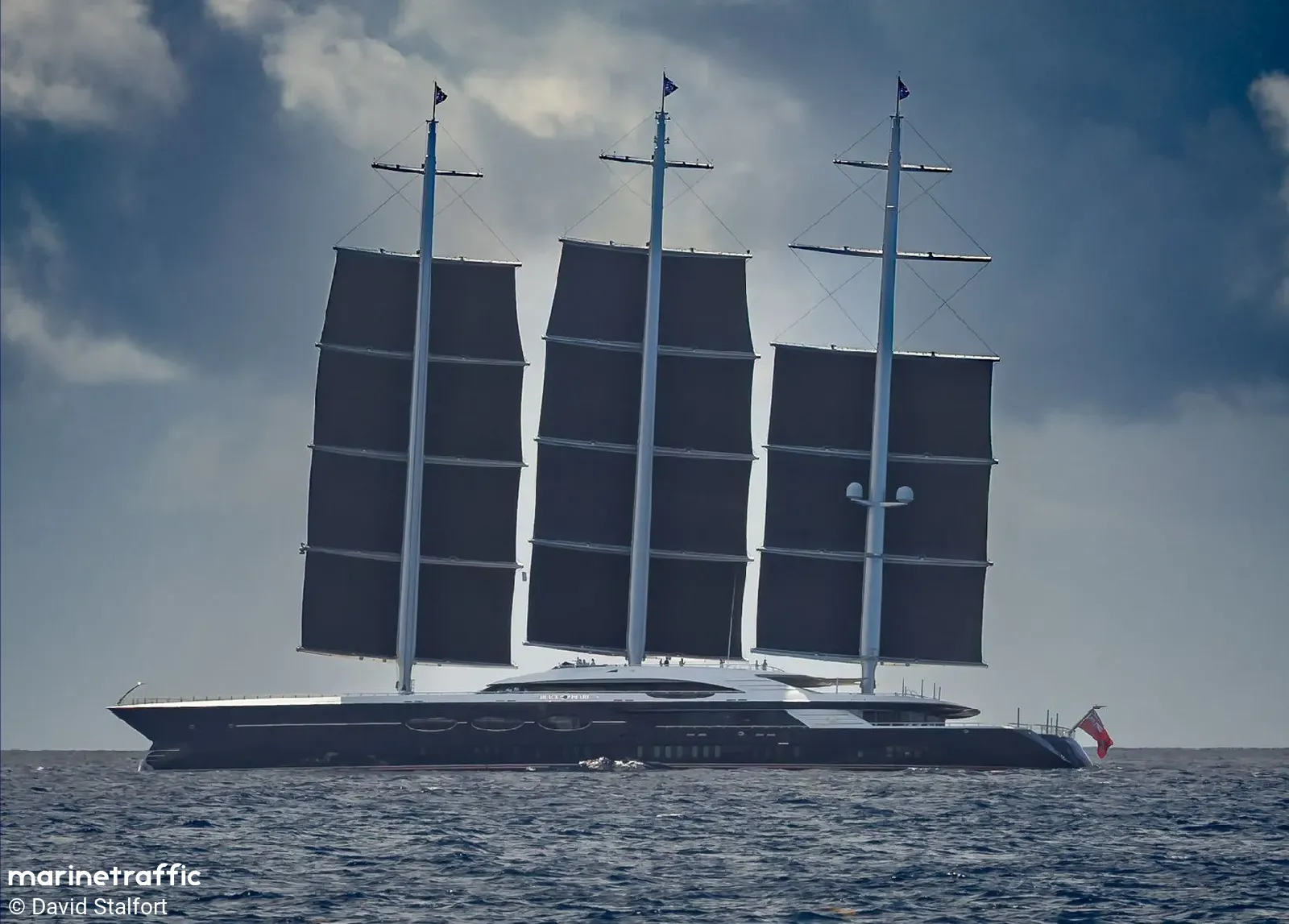
Wing sails
These technologies, in spirit, are closest to what most people think of when the topic of sailing comes up. These devices may be rigid or semi-rigid, using taut fabric or even inflatable structures, and can rotate to control the interaction and propulsive force based on wind direction. Ultimately, the propulsive force is based on a horizontal plane lift force generated by the shape of the sail as it interacts with the prevailing relative wind direction.
Rotors
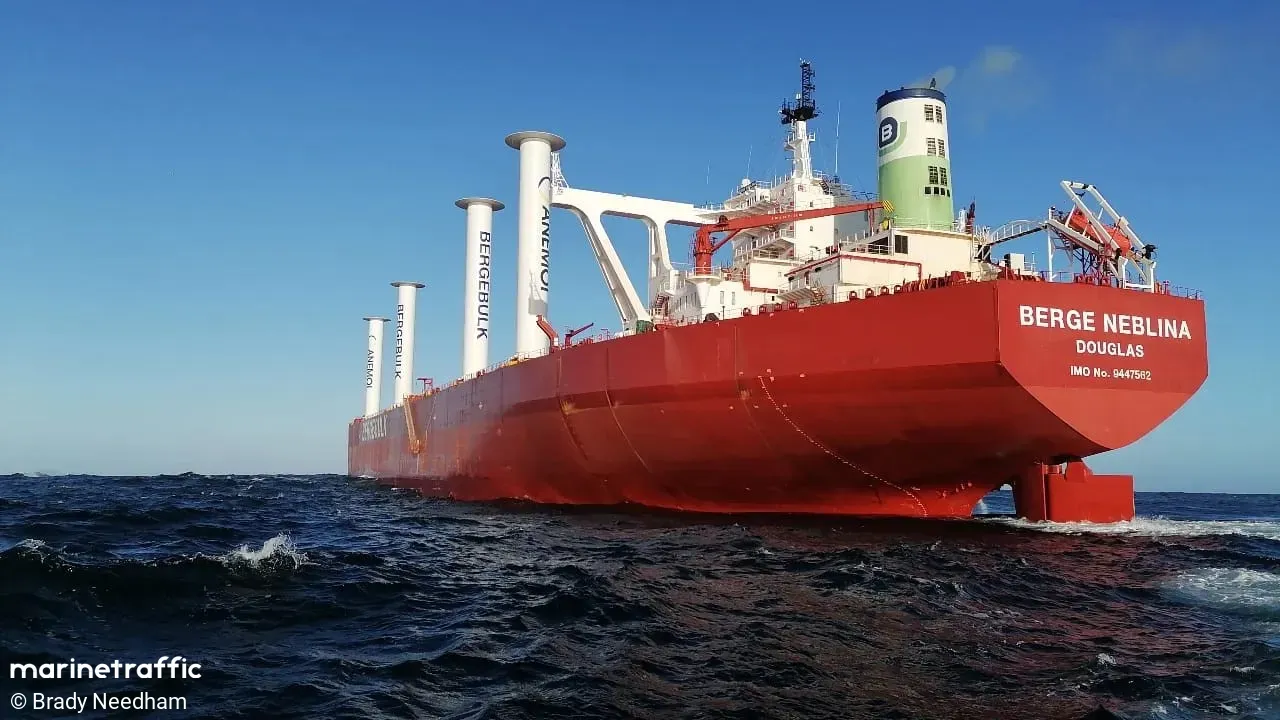
Sometimes referred to as Flettner Rotors, these technologies consist of a large, vertically oriented cylinder mounted on the deck of the ship. The cylinders spin, and the resulting propulsive force depends on the cylinder size, spin speed, and wind velocity. The propulsive force is caused by the rotation of the cylinder, which speeds up airflow over one side and slows it down on the other, causing a pressure differential which produces the net propulsive force.
- Norsepower Rotor Sail
- Anemoi Rotor Sail
Suction sails
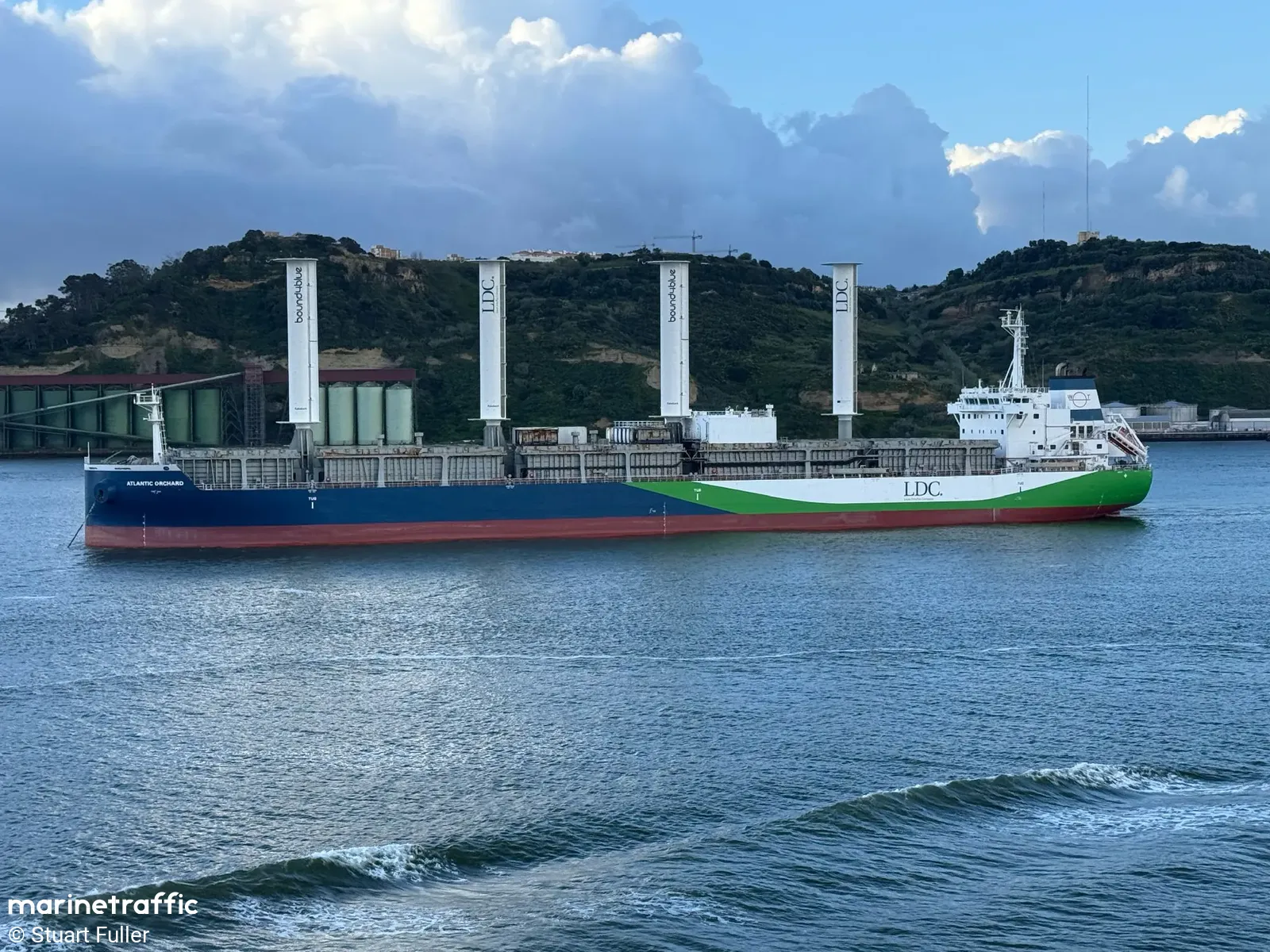
At first glance, suction sails look much like rotors. However, they don’t spin as rotors do. And because of the way they work, they have more in common with wing sails. The cross-section of the sail is more elliptical and not circular. In this way, it acts like a very stubby wing form. By itself, this stubby wing is too blunt for the prevailing wind to stick to and develop a lateral lift force. The crucial element of this technology is the low-power fans that pull air through the core of the hollow sail structure. The movement of air inside the sail creates a low pressure suction that helps the prevailing wind stick onto the stubby wing form, and develop substantial horizontal plane lift forces that can propel the ship.
Dynamic kites
These technologies make it seem very much like the ship is flying a kite. And that is precisely how it works! These dynamic kites can fly high in the air, catching much higher wind speeds, and generate substantial propulsive forces as a result. There are also advantages to improved visibility and reduced deck area compared to other technologies.
What about when the wind doesn’t blow?
The benefits from these technologies absolutely depend on how a particular ship is used and where it goes in the ocean. Yet performance will aggregate over the long term. A careful analysis and business case increase the chances of realizing the benefits and resulting business advantages of these technologies. Equipment suppliers provide a consultation phase to assess performance potential and validate that the technology is a good fit for a retrofit or a newbuild. Many equipment suppliers have shown business cases with a payback period of less than 5 years, which has triggered increasing adoption of these technologies in the commercial marine space.
Next step
Read more about wind-assisted propulsion through the International Wind Ship Association’s website. What’s specifically interesting is the actively updated list on large commercial vessel wind propulsion installation lists, which you can read more about here:
